


















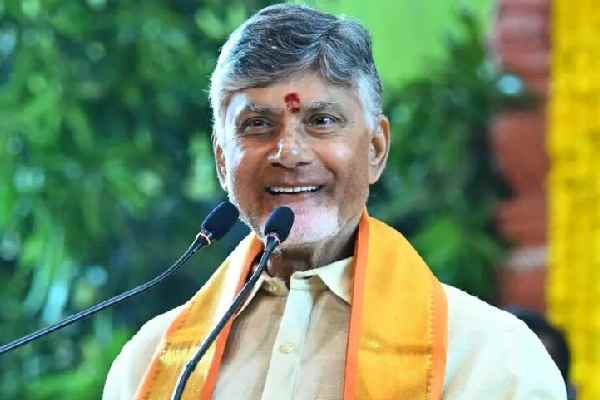
On his birthday, N. Chandrababu Naidu stands tall as one of the most enduring and influential leaders in Indian politics. His journey spans more than four decades and reflects resilience, constant reinvention, and a sharp focus on development-led governance.
Early Political Journey
Naidu entered politics at a young age . He began his career with the Congress party and was elected as an MLA from Chandragiri in 1978 at the age of 28. His early years were marked by administrative exposure and a deep understanding of grassroots politics. His political path took a decisive turn after his association with N. T. Rama Rao, who later became his father-in-law.
Joining the Telugu Desam Party changed the trajectory of his career. Naidu quickly rose within the party ranks. His strategic thinking and organizational skills set him apart from many of his contemporaries.
Rise to Power
In 1995, Naidu assumed leadership of the Telugu Desam Party and became the Chief Minister of united Andhra Pradesh. It was a turning point. He shifted the focus of governance toward economic reforms, technology, and infrastructure. His tenure in the late 1990s and early 2000s transformed Hyderabad into a major IT hub. The development of HITEC City and the attraction of global tech companies placed the city on the international map. His governance model emphasized efficiency, digital administration, and investor-friendly policies.
Vision for Development
Naidu’s political identity is closely tied to development. He has consistently advocated for modernization and economic growth. His approach has always been forward-looking. He believes in leveraging technology to improve governance and public service delivery. After the bifurcation of Andhra Pradesh in 2014, Naidu faced one of the toughest challenges of his career. The state had to rebuild from scratch without a capital. He took up the ambitious project of developing Amaravati as a world-class capital city. Though the project faced political and financial hurdles, it reflected his long-term vision.
Political Relationships and Strategy
Naidu is known for his pragmatic alliances. Over the years, he has worked with national parties including the BJP and Congress at different stages. His political strategy often revolves around balancing regional interests with national dynamics.
He has played a key role in coalition politics at the national level. His support has been crucial in shaping governments in New Delhi during critical periods. This ability to adapt and negotiate has kept him relevant across changing political landscapes.
Challenges and Comebacks
Naidu’s career has not been without setbacks. He faced electoral defeats and strong opposition. The 2004 and 2019 elections were significant challenges. Yet, his political journey is defined by comebacks. He has repeatedly demonstrated resilience and the ability to reconnect with voters. His return to power once again as Chief Minister reflects his continued influence and the trust he commands among sections of the electorate.
Legacy and Leadership
Chandrababu Naidu is often described as a leader who thinks ahead of his time. His focus on urban development, digital governance, and infrastructure has left a lasting impact. He introduced concepts that later became standard in governance across India. At the same time, his leadership style has evolved. He has moved from being a reform-driven administrator to a more balanced leader who combines welfare and development.
A Continuing Journey
As he celebrates another year, Naidu’s political journey remains active and relevant. He continues to shape the future of Andhra Pradesh with his experience and vision.
His story is not just about political success. It is about endurance and a relentless pursuit of progress. In a rapidly changing political environment, Chandrababu Naidu remains a figure who continues to influence both policy and public discourse.
On his birthday, his journey serves as a reminder that leadership is not defined by a single phase. It is built over time through decisions and challenges.