




















The delay in taking up key dam rehabilitation works in Andhra Pradesh under the DRIP Phase II program is not an isolated administrative issue. It reflects a pattern that began during the previous government’s tenure. The issue is a direct consequence of opportunities that were not utilised when they were available.
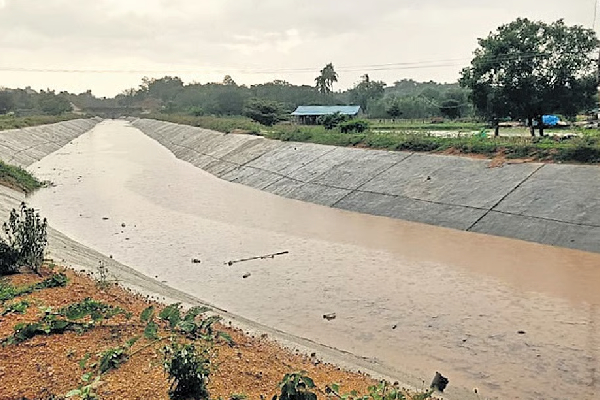
The Dam Rehabilitation and Improvement Project, supported by the World Bank and routed through the central government, was designed to strengthen critical water infrastructure across states. Andhra Pradesh had identified four important projects under Phase II. These included Srisailam Dam, Sir Arthur Cotton Barrage at Dowleswaram, and Raiwada Reservoir. Technical processes were initiated and inspections were conducted. Yet the projects have not moved forward.
To understand why this is happening, one must look at the track record during DRIP Phase I. During that period, the state had access to similar World Bank assistance. However, the previous government did not take up the projects within the stipulated time. As a result, Andhra Pradesh failed to utilise the available funding. In contrast, states like Maharashtra and Karnataka moved ahead and completed their works using the same support.
This earlier inaction has now created a ripple effect. When a state fails to execute projects under an international funding framework, it weakens continuity and momentum in future phases. The current stagnation in Phase II reflects that break in execution discipline.
The situation becomes more evident when the state is forced to rely on its own funds for urgent works. The decision to take up the repair and restoration of the Sir Arthur Cotton Barrage using state resources shows the immediate need. At the same time, it highlights what could have been achieved if earlier opportunities had been used effectively.
DRIP work is critical for water security and agricultural stability. Delays in such programs do not just affect timelines, which impacts long-term planning and infrastructure resilience. As development opportunities are not acted upon at the right time, the cost is paid now. The current situation is a clear reminder that indecision in governance leaves a lasting impact.