























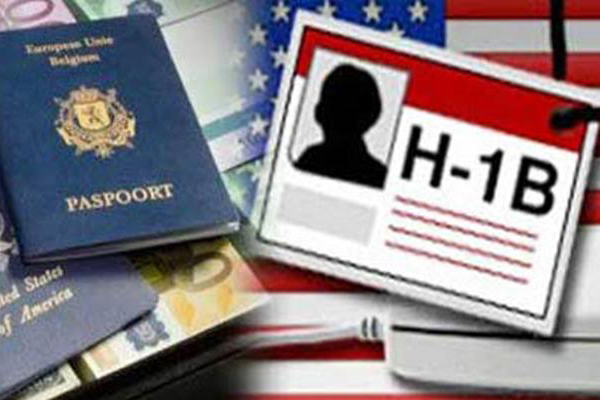

After months of tough signals on immigration, the administration led by Donald Trump is now preparing a move that could benefit H-1B visa holders in a meaningful way. A key proposal from the US Department of Labour aims to raise minimum salary standards for foreign professionals, which could lead to a noticeable increase in pay for thousands working in the United States.
The proposal focuses on improving wage protections for foreign workers across multiple visa categories, including H-1B, H-1B1, E-3, and Green Card pathways under the PERM system. If approved, employers will be required to offer higher minimum salaries based on updated market benchmarks. This step is expected to bring foreign worker pay closer to real market levels and reduce the scope for low-cost hiring.
The Department of Labour plans to release this proposal formally and open it for public feedback over a period of sixty days. After reviewing responses, final rules will be issued and implemented. This process is aimed at ensuring transparency while also addressing concerns from both employers and workers.
At the core of the proposal is a revision of the existing four-level wage structure that companies must follow while sponsoring foreign employees. These levels, which have remained largely unchanged for over two decades, will now be updated to reflect current economic conditions and salary trends.
Under the proposed changes, entry-level wages will move from the 17th percentile to the 34th percentile. Qualified roles will shift from the 34th to the 52nd percentile. Experienced positions will rise from the 50th to the 70th percentile, while fully competent roles will increase from the 67th to the 88th percentile. This adjustment is expected to raise salaries across all levels, with an average increase estimated at around $14,000 per year.
The intention behind this reform is clear. It seeks to ensure that hiring foreign workers does not negatively impact the wages or working conditions of American employees in similar roles. At the same time, it allows companies to continue hiring global talent, but only at fair and competitive pay levels.
For H-1B professionals, especially those already working in the US, this proposal comes as a positive development. Higher wage standards could translate into better compensation and stronger job value. For employers, however, it signals a shift toward more selective hiring and higher cost commitments.