





















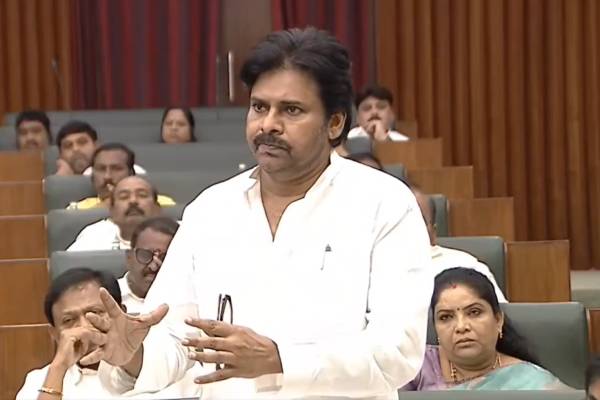
In a democracy, the words of a leader are not just statements; they carry weight and influence the emotional tone of a state. So, when Andhra Pradesh Deputy Chief Minister Pawan Kalyan made comments about the unsolved murder of former minister Y. S. Vivekananda Reddy, saying, “Everyone knows a murder happened, but even when it happened before our eyes, we are unable to do anything,” it triggered a wave of discomfort, concern, and disappointment among many.
At first glance, this may seem like a moment of brutal honesty, a leader being transparent about the system’s limitations. But when looked at closely, such a statement, especially coming from someone holding one of the highest offices in the state, shakes the very foundation of public trust.
People look to their elected leaders for protection, reassurance, and stability. The poor, the middle class, and the youth — they all seek a system where justice prevails and law and order stand strong. When a Deputy Chief Minister publicly admits helplessness in the face of a high-profile murder case, it doesn’t come across as honesty; it feels like resignation. And worse, it may send the wrong message to those who misuse power.
This isn’t just about one statement. It’s about the mood it sets in the state. If leaders themselves say they are powerless, what hope does an ordinary citizen have? What confidence will victims of violence or corruption carry when they walk into a police station or courtroom? When those in charge speak with despair, the very people they serve may begin to lose faith in the institutions meant to protect them.
Being transparent is important. But so is being careful. Words from a Deputy Chief Minister aren’t just headlines — they are signals. They can either ignite fear or inspire hope. They can shake the public or strengthen it. That is the power of speech in public life. And with power comes responsibility.
Law and order must not just exist; people must feel its presence. They must believe that even the most powerful cannot escape justice, and that even the weakest will be heard. And above all, they must trust that their leaders, no matter how difficult the path, will never say “we can’t do anything.”
Because the moment leaders give up, the public follows.