
























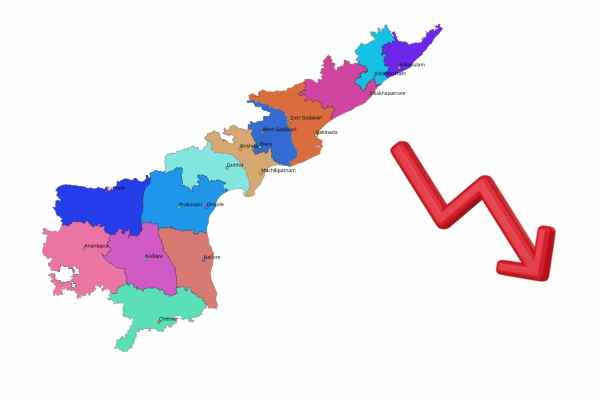
The Union Government’s revised GST 2.0 system came into effect on September 22. All commercial activity in October operated under the new rates, and its impact became visible in the November revenue figures. Andhra Pradesh showed strong GST collections until October, with a 5.8 per cent rise over last year. Once GST 2.0 kicked in, revenue growth slowed. Officials say that even though sales volumes increased, the lower tax rates reduced overall income.
The biggest drop came from automobiles, cement, electronics and dairy products. Reduced demand for petroleum products also added to the dip. Compared to last November, the state recorded a 1.06 per cent decline. Cyclone Mocha further affected business movement in Coastal and Central Andhra, which led to weaker collections. State finance officials had already cautioned that lower GST rates would soften the overall revenue.
Industry Welcomes the Reform
Despite the short-term slowdown, GST 2.0 has received positive feedback from consumers and industry bodies. Companies expect the new structure to boost the economy and have begun lowering prices to pass on the benefit.
New MRP on Essentials Soon
According to Godrej, new MRP tags on essential goods may take a little more time to reach the market. The company expects the revised prices to be evident by mid-October. Until then, older MRP stocks may prevent consumers from experiencing the immediate benefits of the tax cut.
Godrej CEO Sudhir Sitapati also noted that even producers whose GST rates remain unchanged will see improved demand. Higher consumer spending, he said, will support a stronger economic outlook. He expects the financial year to deliver results that exceed earlier projections.