























Andhra Pradesh is on the verge of closing one of its most debated chapters. The process to grant Amaravati full legal status as the permanent capital is now moving with clear direction and coordination between the state and the Centre.
The state government has started the process with a clear plan. A formal resolution is being cleared in the cabinet to establish Amaravati as the sole capital. The government is consciously addressing the concerns earlier raised by the Union Home Ministry to avoid complications at later stages.
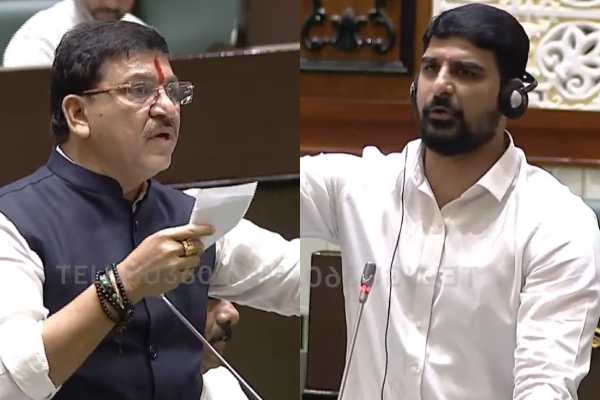
Following the cabinet approval, a special Assembly session has been scheduled for the 28th. The resolution will be placed before the House for endorsement. This step carries weight because it provides the legislative backing required for the state to formally recommend changes at the national level. The intent is to present a clear and unified position from Andhra Pradesh.
Once the Assembly passes the resolution, the proposal will move to the Centre. It will first be examined by the Union Home Ministry and then by the Law Ministry. Based on these inputs, a formal bill will be prepared and introduced in Parliament. After securing approval in both Houses, the final step will be presidential assent. With that, Amaravati will gain legal sanctity that goes beyond political cycles.
If completed as planned, this will give Amaravati a unique position. It will stand as a capital backed explicitly by Parliamentary approval. That status brings long-term stability. No future government will be able to alter the capital without going through the same constitutional route. For investors, institutions, and farmers who have a stake in Amaravati, this clarity removes years of uncertainty.
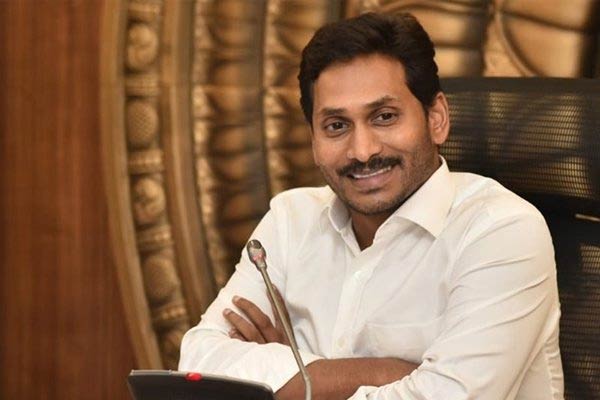
At the same time, the political spotlight is firmly on Y. S. Jagan Mohan Reddy. The special Assembly session has turned into a moment of decision for the opposition. His attendance or absence will carry political meaning beyond the vote itself.
Jagan faces a difficult choice. Attending the session and supporting the resolution would signal a shift from his earlier three-capital policy. That could open him to criticism for reversing his stand. Staying away, however, risks reinforcing the perception that he remains opposed to a proposal that has already gained wider acceptance among the public.
Inside the party, there are differing views. Some leaders are pushing for participation to regain political ground and reconnect with public sentiment. Others are wary of the optics of a U-turn and prefer distance. The emerging signals suggest that non-attendance remains a strong possibility, but the final decision is still being weighed.