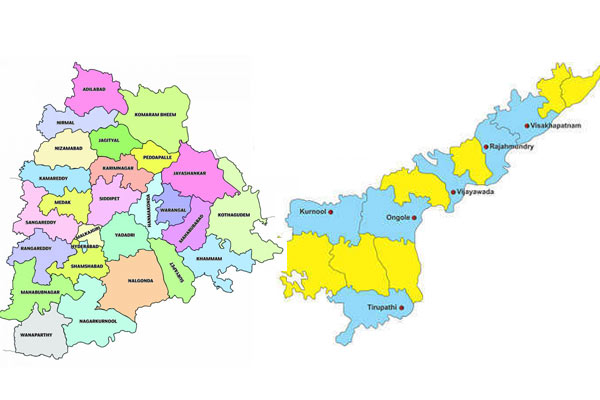




















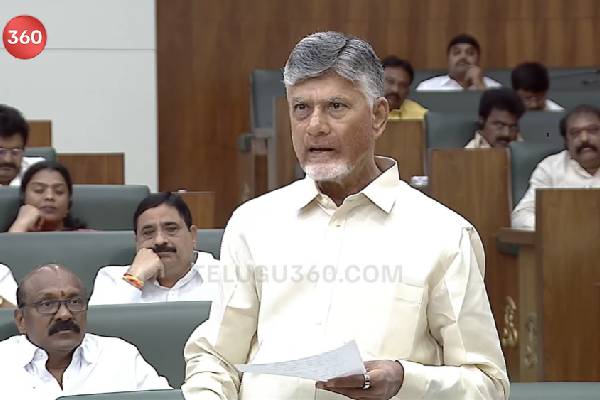




The Andhra Pradesh Legislative Assembly has sent a strong and unified message on the future of the state’s capital. In a rare display of consensus, the House passed a resolution that seeks legal backing for Amaravati as the sole capital of the state. The move reflects both political clarity and administrative intent.
Chief Minister N Chandrababu Naidu personally introduced the resolution. He framed Amaravati not just as a capital city, but as the emotional and economic core of Andhra Pradesh. He stated that the capital is non negotiable and will not be shifted under any circumstances. The message was meant to remove uncertainty and restore investor confidence.
The resolution urges the central government to amend provisions in the Andhra Pradesh Reorganisation Act. The objective is to formally insert Amaravati as the capital, thereby eliminating any scope for future policy reversals. Soon after the resolution was passed, it was forwarded to key constitutional authorities including the Union Home Ministry and presiding officers of Parliament.
Naidu used the Assembly floor to revisit the political developments of the past decade. He accused the previous government led by Y S Jagan Mohan Reddy of reversing its earlier support for Amaravati. He argued that the three capitals proposal created confusion, stalled development, and damaged the state’s economic trajectory. According to him, these decisions pushed Andhra Pradesh back by decades.
He also highlighted the economic logic behind a strong capital city. He pointed to Hyderabad’s revenue generation as an example of how a well developed capital can transform a region. Amaravati, he said, has the potential to become a similar engine of growth. He assured that while Amaravati will remain the capital, development will be distributed across regions such as Visakhapatnam and Tirupati.
The Chief Minister outlined an aggressive development timeline. He said major infrastructure works are already underway. Roads, layouts, and essential civic systems are expected to be completed in phases, with significant progress targeted by 2027 and a more complete city vision by 2028. He emphasized that Amaravati will be designed as a modern, sustainable urban center with green and blue city concepts.
The debate in the Assembly lasted several hours and saw participation from multiple members. Despite political differences, the resolution was passed unanimously. This unanimity adds weight to the government’s position and sends a signal of stability.
At its core, the Amaravati resolution is more than a legislative exercise. It aims to close a chapter of uncertainty and open a new phase of focused development.