




















The Andhra Pradesh government’s push towards fuel conservation and efficient governance is now clearly visible in the movement of top leaders. After Prime Minister Narendra Modi’s call for reducing fuel consumption amid rising global crude oil prices and the ongoing Middle East tensions, several leaders have started downsizing their official convoys and encouraging the use of electric vehicles.
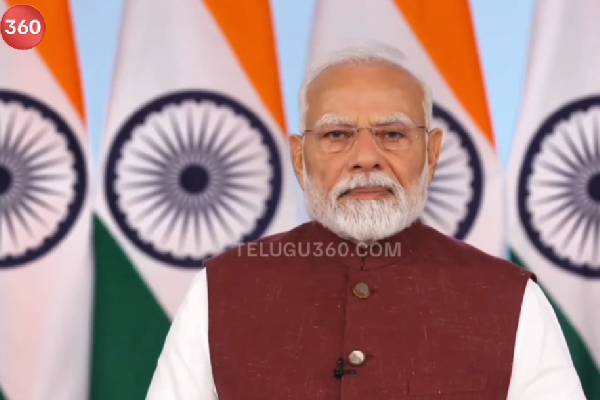
Prime Minister Modi recently stressed the need for fuel savings and asked governments to adopt practical measures that reduce pressure on the economy and foreign exchange reserves. As part of that approach, even the Prime Minister’s convoy was streamlined, and electric vehicles began to be introduced into official movement wherever possible.
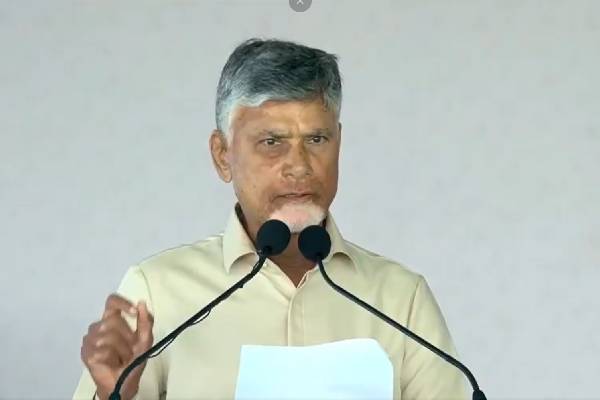
Following Modi’s direction, Andhra Pradesh Chief Minister N. Chandrababu Naidu reduced the size of his convoy by nearly 50 per cent. During a recent visit to the Secretariat, Chandrababu arrived with only four vehicles in his convoy. He also instructed officials to reduce unnecessary escort vehicles during district tours and arranged separate transport for security personnel.
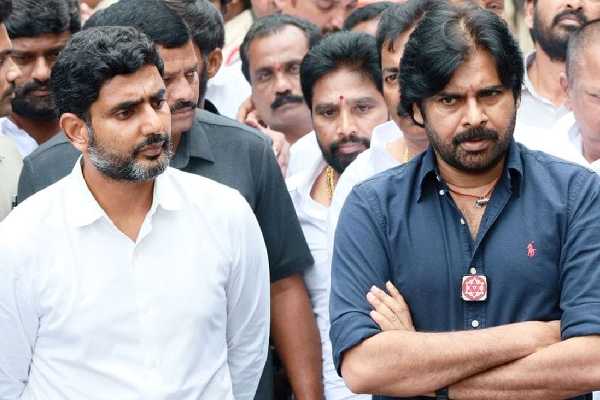
Now, Minister Nara Lokesh has also joined the initiative. Despite having Z Plus category security, Lokesh instructed police officials to limit his convoy to just two vehicles during regular travel. He reportedly made it clear that security arrangements should continue as per protocol, but excessive vehicle movement should be avoided.
At the same time, Andhra Pradesh Deputy Chief Minister Pawan Kalyan has also significantly reduced the size of his convoy. The Jana Sena chief attended the recent Cabinet meeting with only four vehicles in his convoy, which drew considerable attention in political circles. His move is being viewed as part of the same effort to promote disciplined governance and reduce unnecessary fuel usage.
The Andhra Pradesh government is also placing a strong focus on electric vehicle adoption as part of its long-term strategy on energy conservation. Officials believe these measures will not only reduce fuel consumption but also minimise traffic disruptions and create a more people-friendly administrative image.