























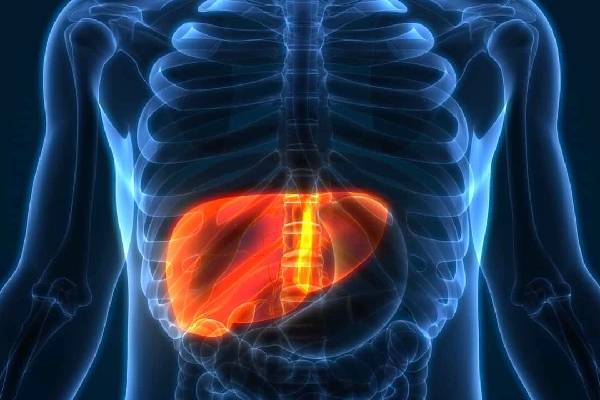
A major nationwide health study has flagged a worrying trend for Hyderabad. Nearly four out of every ten adults in the city may be living with metabolic dysfunction-associated steatotic liver disease (MASLD), commonly known as fatty liver disease.
The findings come from the Phenome India cohort study published in The Lancet Regional Health – Southeast Asia, which screened over 7,700 adults across 27 Indian cities. The study reported an age-adjusted national prevalence of 38.9% .
Hyderabad falls in the 37–42% prevalence bracket among major metropolitan cities, placing it close to the national average but still within a high-risk zone
MASLD is closely linked to obesity, diabetes, high blood pressure and abnormal cholesterol levels. What makes it particularly concerning is its silent nature. Most people remain unaware of the condition until it progresses to serious liver damage.
The study found that 6.3% of individuals with MASLD already had significant liver fibrosis, a stage that can eventually lead to cirrhosis or liver failure . Overall, 2.4% of the screened population had significant fibrosis after age adjustment .
The data underline a strong connection between fatty liver and metabolic diseases. About 66.4% of participants with diabetes were found to have MASLD . Obesity emerged as the strongest risk factor, with risk rising sharply in higher BMI categories .
Hyderabad, like many rapidly urbanising cities, has seen rising rates of sedentary lifestyles, processed food consumption and central obesity. Health experts say these patterns are likely contributing to the growing liver disease burden.
Unlike earlier hospital-based studies, this research was community-driven, involving working and retired adults and their spouses. That makes the findings more reflective of the general urban population.
The researchers noted wide regional variations across India but confirmed that major cities such as Delhi, Bengaluru, Pune, Chennai and Hyderabad showed intermediate to high prevalence levels
Experts say the findings call for routine screening among high-risk groups, especially people over 40, those with diabetes, obesity or high blood pressure.
With nearly 40% of adults potentially affected, fatty liver disease is no longer a niche medical concern. It is emerging as one of Hyderabad’s most significant but under-recognised health challenges.
Health authorities are expected to examine the findings closely as part of broader metabolic disease control strategies in urban Telangana.