





















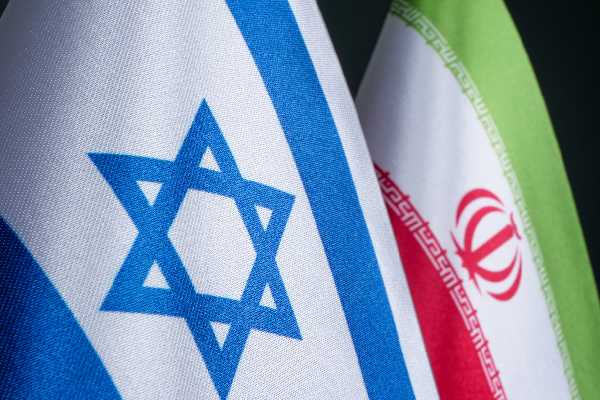



The United States has taken an unexpected step back from the brink of conflict with Iran. President Donald Trump announced a five-day pause on planned military strikes, saying that he had constructive talks with Iranian representatives. The decision has eased immediate tensions, but it has also raised a larger question.
There is a growing belief that Iran’s strong counter warning played a decisive role. When the US threatened strikes on Iranian power infrastructure if the Strait of Hormuz was not kept open, Iran responded with a message that shifted the equation. Tehran warned that any attack would trigger a wider regional response.
Iran made it clear that it could target desalination plants in Gulf countries that support the United States. These facilities are critical because many Gulf nations depend entirely on desalinated water for daily use. A disruption there would not just be a military escalation. It would create a humanitarian crisis. Iran also signalled that it could target undersea cables in the Red Sea, which carry a significant portion of global internet traffic. Such a move would have a global impact far beyond the Middle East. It would disrupt communication, trade, and financial systems.
These threats appear to have forced Washington to reassess the risks. The pause now looks less like a gesture and more like a strategic retreat to avoid a wider crisis. At the same time, the United States has not abandoned its position. The five-day window is also a test for Iran. If there is no progress in talks, stronger action could still follow. The situation remains fluid and highly sensitive.
Now, attention has shifted to Israel. Unlike the United States, Israel often acts based on its own security priorities. It has consistently taken a hard stance against Iran’s military and nuclear ambitions. Whether Israel will align with this pause or continue its operations remains unclear.
If Israel also chooses restraint, there could be serious diplomatic progress. It would mark a rare moment of coordinated de-escalation in a region known for volatility. But if Israel decides to act independently, it could undermine ongoing talks and push the situation back toward conflict.
For now, the pause has brought temporary relief to global markets and reduced immediate fears of disruption. However, the calm is fragile.