























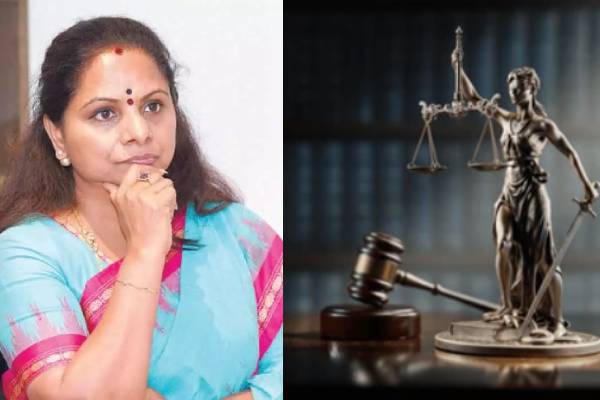
“Who will return the five and a half months I spent in jail away from my family?” – asks Kavitha
That question defines the real story behind the Delhi liquor policy case. The court has now discharged all the accused. The legal chapter may have closed. The moral debate has only begun.
The court ultimately acquitted all the accused, stating that the charges in the Delhi liquor policy case could not be sustained.
The court observed that despite thousands of pages of evidence submitted by investigative agencies, there was no basic material to establish a crime, highlighting serious systemic flaws. The prolonged imprisonment of leaders such as Arvind Kejriwal, Manish Sisodia, and Kalvakuntla Kavitha under stringent money laundering provisions has intensified concerns about personal liberty under Article 21 and strengthened criticism that investigative bodies may be acting under political pressure.
For months, the case was projected as a major corruption scandal. Arrests were treated as proof. Political narratives were shaped around guilt. Reputations were attacked in public view. Then came the verdict. The court found no basis to continue the charges. The accused walked free.
But freedom after months in jail does not erase what was lost.
Several leaders remained behind bars for long periods largely due to money laundering provisions. These laws make bail difficult. Once invoked, detention becomes extended. The process itself turns into punishment. Even before guilt is established, liberty is taken away.
This is where the real concern lies.
If the case collapses in court, what accountability follows for the suffering caused during investigation. Who answers for the time spent in prison. Who restores the dignity damaged by relentless allegations. A legal acquittal does not automatically repair public perception.
The Delhi liquor policy case has exposed a larger issue within the system. Investigative agencies carry immense power. Arrest is not a routine act. It is the strongest action the state can take against an individual short of conviction. That power must be exercised with precision and responsibility.
When courts eventually dismiss charges, the focus shifts from alleged wrongdoing to institutional conduct. The debate is no longer about policy irregularities. It is about whether due process was balanced and fair.
Kavitha’s question is therefore not emotional rhetoric. It is a constitutional question. In a democracy, liberty is fundamental. If it is taken away and later restored without conviction, the system must introspect.
The liquor case discharge is not just a political event. It is a reminder that justice is not only about final verdicts. It is also about the path taken to reach them.