



















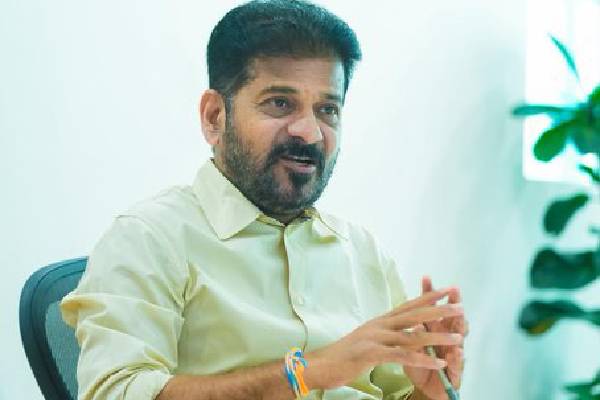
The discussion around delimitation has returned to the national spotlight. Telangana Chief Minister A. Revanth Reddy has voiced strong concerns over the reported proposal to increase Lok Sabha and Assembly seats by 50 percent. His response goes beyond routine political criticism. It touches on the deeper structure of representation in India and the direction in which federal balance is heading.
At first glance, a uniform increase in seats may seem like a logical step in a growing democracy. However, the concern lies in how this increase will be distributed and what it means for regions that already have fewer seats.
The Numbers Tell a Clear Story
Revanth Reddy’s argument gains weight when viewed through numbers. At present, southern states hold about 130 seats in the Lok Sabha out of 543. The rest are controlled by non-southern states. If the total number rises to 815, the South would move to around 195 seats, while other regions would cross 600.
This is not just an increase. It is an expansion of an already existing gap. Representation would become even more uneven, and the relative influence of southern states would decline further.
Population vs Performance
One of the strongest points raised in this debate is the question of fairness. Southern states have consistently performed better in controlling population growth. These efforts were not accidental. They were in line with national policies and long-term planning. If delimitation is carried out strictly on population, then states that manage growth effectively will lose political weight. This creates a contradiction. Those who followed policy directions and achieved results now face reduced representation, while states with higher population growth gain more seats.
The Risk of Political Marginalisation
Revanth Reddy also highlighted a key political consequence. Large northern states such as Uttar Pradesh, Bihar, Madhya Pradesh, and Rajasthan already have significant representation. With an increase in seats, their dominance would grow even stronger. In such a scenario, forming a government at the Centre could become possible without substantial support from southern states. This shifts the balance of power and reduces the role of the South in national decision-making. Over time, this could lead to policy priorities that do not fully reflect regional diversity.
Beyond Numbers: A Larger Pattern
Revanth Reddy framed the issue as part of a broader trend. He described it as a pattern of centralisation that affects representation, resource allocation, and political influence. His reference to a “3D policy” reflects a perception that the South is gradually losing space in national structures.
Importantly, the Chief Minister has not rejected delimitation outright. His demand is for a fair and balanced formula. He has suggested that any increase in seats should protect the existing equilibrium between regions. This could involve innovative approaches that combine population with other indicators. It may also require political consensus across states to ensure that no region feels sidelined.
A Moment That Needs Careful Handling
The delimitation debate is more than a technical exercise. It is a defining moment for India’s federal structure. Decisions taken now will shape political representation for decades. If handled without sensitivity, it could deepen regional divides. If approached with balance and foresight, it can strengthen trust between states and the Centre.