



























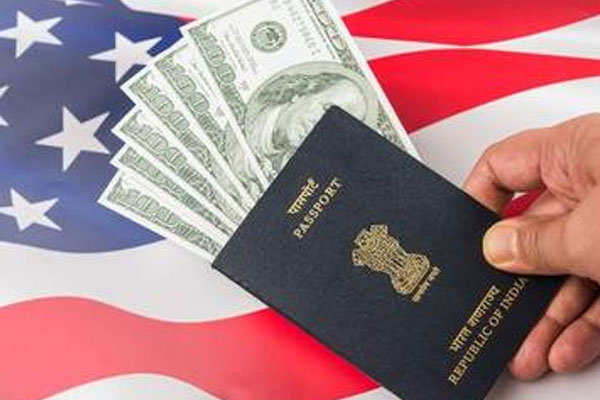
The United States is set to make a major change to the H-1B work visa system, moving away from the long-standing lottery model to a merit-based selection process. The reform, announced by the Department of Homeland Security, aims to prioritise higher-skilled and higher-paid foreign professionals while protecting American workers.
Under the new rule, H-1B visas will no longer be selected purely at random. Instead, applications will be weighted based on skill level and offered wages. Candidates linked to higher pay benchmarks will have a stronger chance of selection, while lower-paid roles will receive less priority. Officials say this change directly addresses years of criticism that the lottery system was misused by employers seeking cheaper labour.
The U.S. Citizenship and Immigration Services stated that the old system allowed companies to flood the process with registrations for low-wage positions, often pushing aside American workers. The revised approach is designed to align the programme with its original intent and to strengthen US competitiveness by attracting top global talent.
The annual cap remains unchanged at 65,000 visas, with an additional 20,000 reserved for candidates holding advanced degrees from US universities. However, the way those visas are distributed will now reward quality over quantity.
The new regulation will come into effect on February 27, 2026, ahead of the FY 2027 registration cycle. It also follows other tightening measures, including higher wage expectations and increased scrutiny of sponsoring employers.
For skilled professionals, especially in technology fields, the change could improve chances if their expertise commands strong salaries. For employers, it signals a shift toward paying for talent rather than relying on volume driven strategies. The H-1B visa is no longer a game of luck. It is becoming a system driven by merit and value.