






















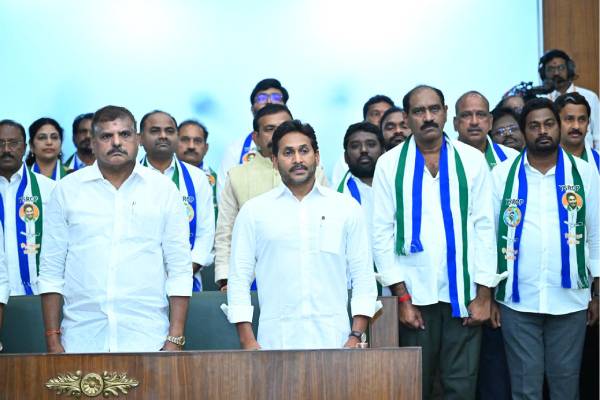
The political trajectory of the YSR Congress Party (YSRCP) inside the Andhra Pradesh Legislative Assembly is entering a critical phase. With just 11 MLAs in a 175-member House, the party continues to insist on official opposition recognition. Firstly, that demand may have political logic, because that is the only party left out with 11 seats (majority seats leaving coalition government). But the manner in which it is being pursued now raises deeper strategic questions.
Today’s Walkout: Signal or Setback?
Today’s walkout from the Assembly once again underlined the party’s firm stance: no meaningful participation without recognition as the principal opposition. From a tactical standpoint, a walkout sends a message of protest. It conveys dissatisfaction with the procedural handling of opposition status. However, repeated walkouts risk diminishing their own impact. When a protest becomes predictable, it loses strategic sharpness and, more importantly, the session will continue without debates, with the absence of the YSRCP party.
In parliamentary politics, the floor of the House is the primary arena of accountability. Walking out may highlight a grievance, but staying in and confronting the government through a structured argument often creates stronger political leverage.
Optics Around Duvvada Srinivas
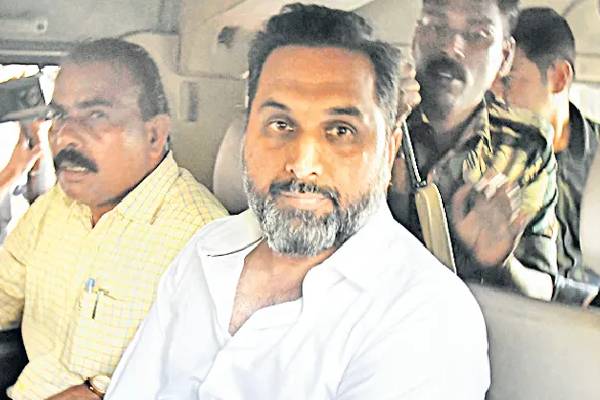
Adding to the optics of the day was the visible meeting and interaction with Duvvada Srinivas within the Assembly premises. While internal consultations are natural in any political party, the symbolism matters. Duvvada Srinivas has been a controversial figure in recent months, drawing criticism and public scrutiny. When the party is already fighting a battle over institutional legitimacy, public association with individuals carrying a negative perception complicates messaging.
When a party is demanding procedural fairness and respect, it must simultaneously project discipline, coherence, and seriousness.
The Governance Contrast
The ruling coalition of Telugu Desam Party (TDP), Jana Sena Party, and Bharatiya Janata Party (BJP) is operating with a strong numerical mandate. In such a scenario, opposition strategy must be precise. Governments with large majorities are rarely shaken by symbolic protests. They are challenged through sustained issue-based scrutiny like budget questioning, policy critique, and committee engagement. Repeatedly centering the political fight only around opposition status risks narrowing the party’s narrative to a single grievance.
The Leadership Test
For Y. S. Jagan Mohan Reddy, this is a defining period. As a former Chief Minister, expectations are fundamentally different. Voters expect maturity in defeat, clarity in strategy, and disciplined opposition politics. The combination of walkouts may energise the core base temporarily. But long-term political credibility is built on consistency and constructive engagement.
The Core Question
Is the objective to win a procedural battle or to remain a credible alternative government?
Opposition status is important. Institutional presence is indispensable. If the current pattern continues, the risk is gradual political isolation within the Assembly. Numbers cannot be altered immediately. Strategy can. The coming sessions will reveal whether YSRCP recalibrates toward sustained legislative engagement or continues down a path where protest overshadows presence. In a parliamentary democracy, presence is power. Walking away too often can slowly erode it.