

























Politics in Andhra Pradesh has increasingly shifted to social media, where statements travel faster than facts. Leaders from the ruling alliance and the opposition are locked in daily verbal exchanges. Speeches and posts from the YSR Congress Party continue to resurface, while leaders from the TDP and Jana Sena respond with pointed counters.
In this charged atmosphere, remarks made by Pawan Kalyan during his recent West Godavari tour gained significant traction. Pawan Kalyan strongly criticised the YSRCP, stating that the party failed to deliver while in power and lacks credibility now. His comments were widely shared and sparked intense political debate online.
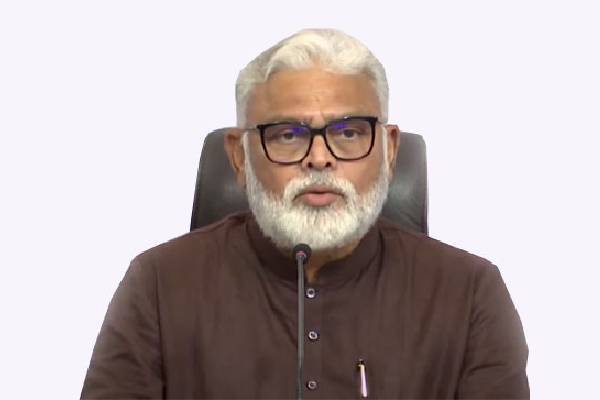
Senior YSRCP leader Ambati Rambabu responded quickly. However, instead of offering a factual or policy based rebuttal, he chose a sarcastic and abrasive tone. His response focused more on provocation than substance. Political observers noted that such language weakens the argument and shifts attention away from governance and accountability.
Ambati Rambabu shared Pawan Kalyan’s speech video on his X account and tagged him with a blunt message written in an aggressive manner. The wording drew sharp criticism even from neutral observers. Many felt the language reflected a lack of restraint and political maturity. Critics argue that Ambati’s loose tongue has often landed him in controversy and this instance was no exception.
While the post did trend and attract attention from party loyalists, analysts pointed out a clear contrast in approach. Pawan Kalyan focused on governance failures and performance. Ambati Rambabu’s reply relied heavily on ridicule and confrontation. This difference has strengthened Jana Sena’s narrative and weakened the YSRCP’s position in the ongoing debate.
The exchange once again highlights how social media has become the main battleground of politics. It also underscores how language matters in public discourse. As the war of words between the Jana Sena Party and the YSR Congress Party continues, many believe that clarity will resonate more with the public than sarcasm.