

























The ongoing Gram Panchayat elections in Telangana are revealing important shifts at the grassroots level. While the Congress is consolidating its presence across districts with a strong electoral performance, the BRS is facing visible organisational challenges in several areas. From sweeping victories to internal confusion, the elections have become a clear indicator of changing political momentum in rural Telangana.
BRS Organisational Gaps Come to the Fore
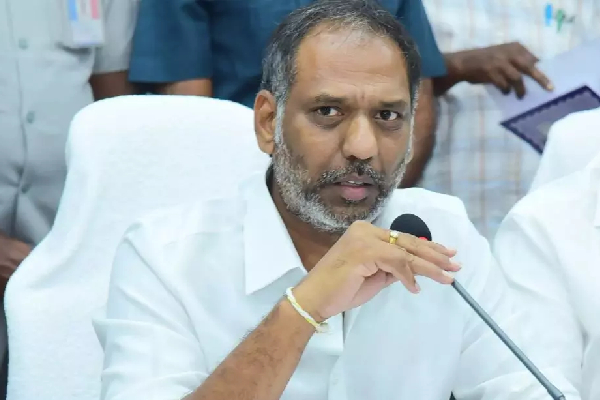
One of the most striking examples of BRS’s internal issues has emerged from Abdullapurmet mandal headquarters. The absence of a BRS candidate in the gram panchayat elections has left local cadre confused and demoralised. Party workers openly express dissatisfaction with the leadership, blaming poor coordination and neglect ahead of the election schedule.
Abdullapurmet gram panchayat has over 10,300 voters and was once considered a BRS stronghold. In previous panchayat elections, the party had secured a decisive victory. This time, however, the party failed to field even a sarpanch candidate or ward-level nominees. As a result, cadre members have remained inactive, unsure of whom to support, and openly questioning the party’s preparedness.
Local leaders say the situation could have been avoided if the leadership had engaged with the cadre in advance. Instead, the absence of planning has turned a former advantage into a visible setback.
Congress Posts Dominant Numbers in First Phase
In sharp contrast, the Congress has claimed a commanding lead in the first phase of the Gram Panchayat elections. According to the party’s compiled data, Congress-backed candidates won 2,864 sarpanch seats. This accounts for nearly 68 percent of the total 4,235 seats that went to polls. BRS-backed candidates secured 1,143 seats, while BJP-supported candidates won 185 seats. Independents and others made up a very small share. The figures underline the Congress’s growing strength at the village level and its ability to convert organisational presence into electoral success.
District-Wise Results Strengthen Congress Position
In Adilabad, Congress won 120 of 166 seats. Bhadradri Kothagudem saw the party secure 120 of 159 seats. In Hanamkonda, Congress emerged ahead with 39 of 69 seats. Jagtial, Jangaon and Jayashankar Bhupalpally also recorded clear Congress majorities.
Several districts witnessed near sweeps. Jogulamba Gadwal saw Congress winning 88 of 106 seats. Nalgonda delivered one of the biggest victories with 231 of 318 seats. Strong performances were also reported in Karimnagar, Khammam, Nagarkurnool, Mulugu and Vikarabad.
Congress-backed candidates maintained consistent leads in Rangareddy, Sangareddy, Siddipet, Suryapet, Warangal Rural and Yadadri Bhongir, reinforcing the party’s dominance across both northern and southern Telangana.
Grassroots Verdict Signals a Broader Trend
The Gram Panchayat elections are often seen as a true test of grassroots strength. This round of polling has clearly favoured the Congress, which appears to have benefited from strong local networks and better candidate mobilisation. For the BRS, the results highlight the cost of organisational lapses. Instances like Abdullapurmet have become symbolic of wider concerns among cadre about leadership disconnect and weak ground-level coordination.
What Lies Ahead
As the Panchayat elections progress, the message from voters is becoming clearer. Strong organisation and early engagement with local cadre matter more than past performance. While Congress looks to build on its momentum, BRS faces the challenge of repairing internal gaps and regaining confidence at the village level. The Gram Panchayat elections have thus moved beyond routine local polls. They are now shaping the political narrative across Telangana and setting the tone for battles ahead.