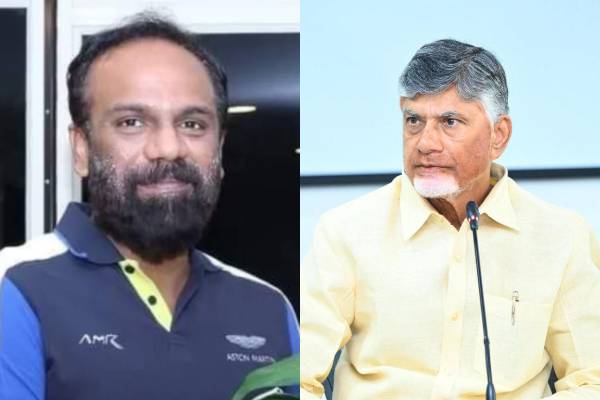
















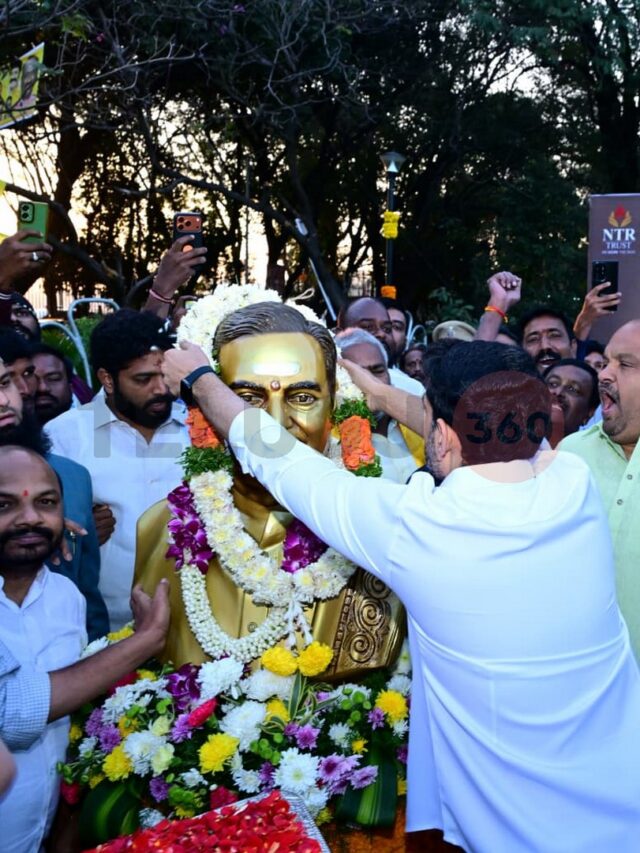





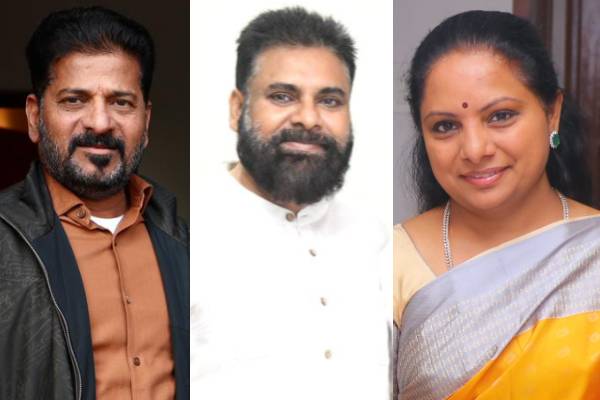

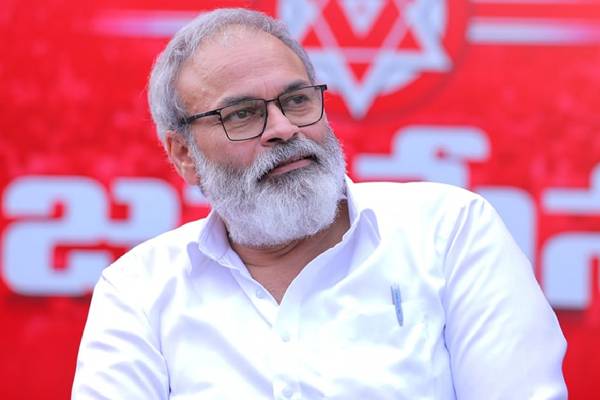
Jana Sena’s rise to power did not happen through noise or confrontation. It came through patience and an understanding of political realities. As part of a coalition government with the TDP and BJP, the party today carries a responsibility far bigger than individual sentiment. That is why recent controversies involving Naga Babu are being viewed with concern by political observers and even within Jana Sena circles.
The issue is not Naga Babu’s intent or loyalty. It is about timing and coalition sensitivity.
Pawan Kalyan’s Measured Approach
When Pawan Kalyan suggested naming the Polavaram Project after Potti Sriramulu, it was done once and without confrontation. The suggestion was rooted in Telugu history and sacrifice, not political pressure. Importantly, Pawan Kalyan did not repeat the demand. He left the matter open for coalition consensus.
That restraint was deliberate.
Polavaram is a national project, fully funded by the Centre. In a coalition setup, if the Bharatiya Janata Party insists on naming the project after Atal Bihari Vajpayee, the alliance is expected to respect that position. Vajpayee’s association with river interlinking and national projects makes such a demand politically logical from the BJP’s perspective.
Pawan Kalyan understood this balance. He expressed sentiment, and he just suggested.
Where Naga Babu’s Statements Create a Problem
The complication arises when Naga Babu addresses the same issue in public forums. While supporting Potti Sriramulu’s name is emotionally valid, repeating it gives a different signal altogether. It creates an impression that Jana Sena is firmly opposing a Vajpayee name and is unwilling to compromise and this is not about right or wrong. It is about alliance management.
A Pattern of Avoidable Controversies
This concern is amplified by Naga Babu’s past record. From comments during the MAA elections, to the Allu Arjun–Nandyal episode, to recent remarks on moral policing and women’s dressing, his statements have often dragged Jana Sena into debates that do not serve its current priorities. Each controversy may look isolated. Together, they form a pattern of distraction.
Jana Sena is no longer a protest platform. It is a governing partner. The standards are different now.
Discipline Is Jana Sena’s Biggest Strength
Pawan Kalyan’s political credibility today comes from discipline earned over years of struggle. He speaks selectively. He avoids daily commentary. He understands that coalition politics demands restraint, not constant assertion.
That discipline is what Jana Sena must protect.
The Bottom Line
In coalition politics, silence is sometimes a strategy. One statement can express sentiment. Repeated statements can signal defiance.
Pawan Kalyan handled the Polavaram naming issue carefully. Naga Babu’s public interventions risk undoing that balance. At this stage, Jana Sena cannot afford to appear rigid or confrontational within its own alliance. The party fought too hard to reach this position. Protecting that achievement now requires message discipline. And sometimes, safeguarding the larger cause means knowing when even well-meaning voices need to step back.