

























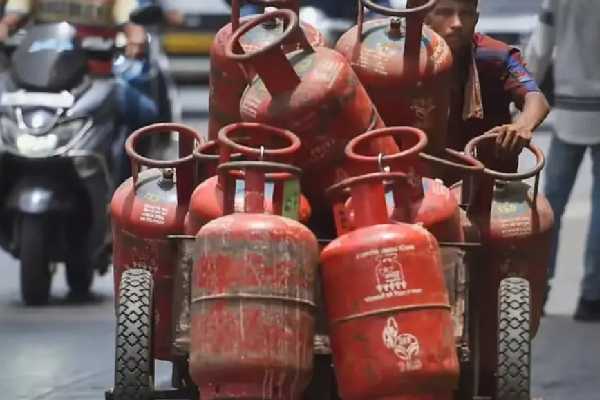
The Central government has moved quickly to protect India’s fuel supply as tensions in West Asia raise concerns about global oil disruptions. To prevent shortages and ensure stability in the domestic energy supply, the government has activated two strong legal measures. These steps aim to safeguard LPG availability for households and keep the transport fuel supply uninterrupted.
Under the Essential Commodities Act, the government has directed refineries and petrochemical units to prioritize the production of LPG. Companies have been asked to increase LPG output and shift focus from other hydrocarbon products if necessary. The move is intended to ensure that there is no shortage of cooking gas across the country in the coming months.
The government has also issued clear instructions on natural gas allocation. One hundred percent supply has been ensured for domestic LPG production, piped natural gas used in homes, and CNG used for transport. At the same time, certain industries will receive reduced gas supply. Fertilizer units will receive about seventy percent of their requirement while other industries will receive around eighty percent. Refineries have also been advised to cut their internal consumption.
To stop hoarding and black marketing of LPG cylinders, the Petroleum Ministry has introduced a new rule. Consumers must maintain a minimum gap of twenty-five days between two LPG cylinder bookings.
The government has also invoked the Essential Services Maintenance Act to keep petrol and diesel transport running smoothly. Under this law, tanker operators and fuel supply staff cannot go on strike. Authorities can take strict action if the fuel supply is disrupted. These preventive steps aim to protect energy security and avoid inconvenience to the general public.