
























A Reddit post about an H1B visa cancellation at Abu Dhabi International Airport has triggered intense discussion across social media. Although the original post has since been deleted, screenshots continue to circulate widely.
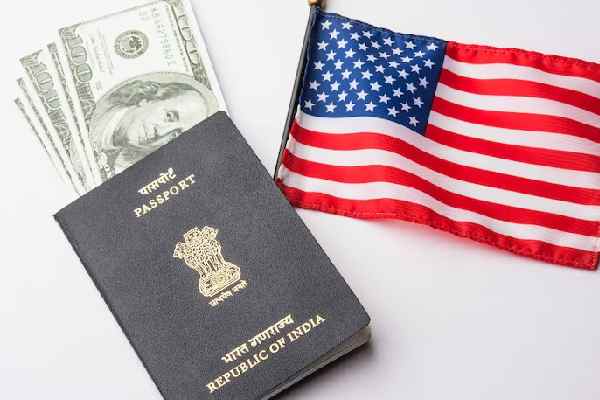
According to the account shared online, a woman working full time in the United States travelled to India in November to celebrate her daughter’s first birthday. She and her husband completed their visa stamping in December. In January, while returning to the US through Abu Dhabi’s preclearance facility, her husband was cleared for travel. She, however, was referred for secondary inspection.
During questioning, she reportedly told officers that she had stayed in India for nearly two months and had worked part time during that period while using Paid Time Off. Officers concluded that she had overstayed abroad and raised concerns about receiving pay from a US employer while working remotely from India. Her visa stamp was marked “Cancelled and Withdrawn,” and she was asked to reapply.
At present, she is unable to secure a new visa appointment due to a lack of available slots. Her company’s immigration attorney has reportedly stated that remote work from India is not illegal under US law. The incident has left her uncertain about the next steps.
CBP Authority at Ports of Entry
US based entrepreneur James Blunt weighed in on the issue. He described the situation as a 221(i) visa cancellation at preclearance. He explained that Customs and Border Protection officers have broad discretionary authority at ports of entry. Unlike US Citizenship and Immigration Services, CBP does not require the same level of documentation review when making decisions at the border.
Blunt suggested that extended stays abroad combined with remote work may have triggered additional scrutiny. Even if the legal reasoning appears weak, he noted that CBP has the authority to cancel a visa stamp. Such action does not automatically revoke the underlying approved H1B petition. However, it does force the individual to undergo the visa stamping process again.
He also questioned why many H1B holders continue to travel despite growing uncertainty at ports of entry. His advice was clear. Avoid non essential international travel until the environment becomes more predictable.
Debate Over Remote Work and LCA Compliance
Hany Girgis, Co Founder of SkillStorm, offered a different perspective. He argued that the issue may stem from Labor Condition Application compliance. The H1B program is structured around a specific employer, a defined role and an approved work location. If remote work outside the listed worksite is not reflected in the LCA, it may raise red flags during inspection.
Under H1B regulations, employers are required to specify the job location in filings. Performing work outside that location without proper documentation can complicate matters during travel and reentry.
Growing Concerns Among H1B Professionals
The case has reignited anxiety within the H1B community. Many foreign professionals rely on predictable travel rules to manage family commitments and work responsibilities. Incidents like this highlight the discretionary power exercised at preclearance facilities and ports of entry.
While the legal interpretations may vary, one fact remains clear. Visa holders face heightened scrutiny when travel patterns, remote work arrangements and documentation do not align perfectly.
For now, immigration experts advise caution. Clear documentation, compliance with LCA terms and careful travel planning are essential. In a system where border discretion plays a significant role, even small inconsistencies can lead to serious consequences.