

















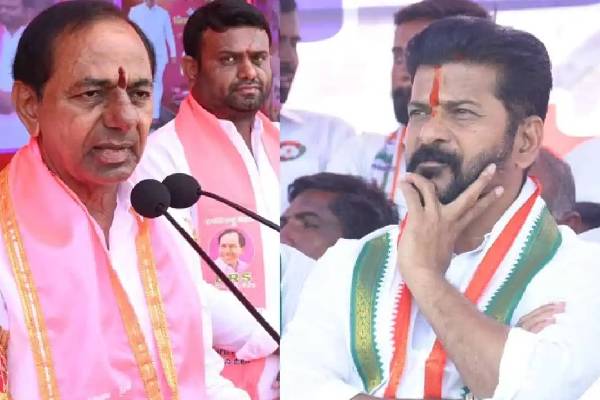
Hyderabad: The shift in political communication between the previous BRS government and the current Congress regime in Telangana is becoming increasingly visible — not just in policy, but in timing.
During the tenure of former Chief Minister K. Chandrashekar Rao (KCR), information flow was carefully aligned with the newspaper cycle. The priority was clear: dominate the next day’s banner headline. Key meeting points would often be circulated late at night. Even government orders or bureaucratic rejigs were timed strategically. Press conferences were typically scheduled in the afternoon or late evening, ensuring that print media carried the government’s version prominently the following morning. The emphasis was on shaping the narrative for the next day’s front page. This used to lead to opposition being given media space in electronic and digital .
In contrast, the approach under Chief Minister A. Revanth Reddy appears fundamentally different. The current government largely sets the agenda early in the day. Officers transfers, internal communications, arrests & questionings, political signals and even sensitive developments often surface in the morning hours. The result is immediate traction across television channels, news portals and social media platforms. This also reduces space for opposition. Opposition leaders now request to broadcast their news during press meets instead of cutting off the live.
Instead of waiting for print validation, Congress government now drives real-time conversations.
Electronic and digital media cycles are clearly the primary battleground. By noon, the narrative is already established, debated and amplified online. Newspapers, in many cases, follow rather than lead.
However in Congress government, Cabinet meeting briefings remain an exception, with structured communication typically aligned with formal schedules. However, most other government-related developments now unfold during the day, when cameras are live and digital timelines are active.
The contrast reflects a broader change in media consumption patterns. While the earlier strategy aimed to secure tomorrow’s headline, the current model focuses on controlling today’s narrative.