






















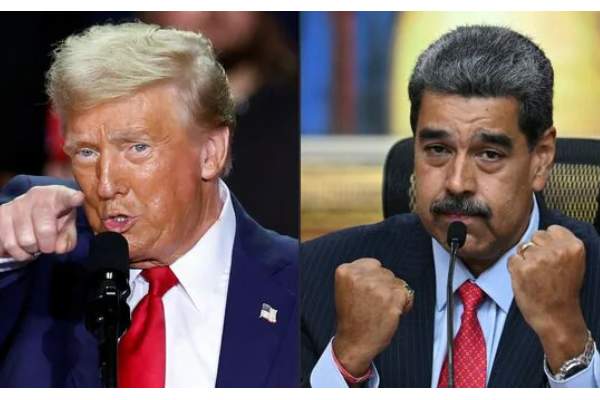
The conflict between the United States and Venezuela did not begin suddenly. It is the result of years of political differences, economic decline, and growing mistrust. To understand what happened recently, it is important to look at how the relationship slowly deteriorated.
When Relations Started Going Wrong
For many decades, Venezuela and the United States had normal relations. Venezuela supplied oil to the U.S., and American companies operated there. This changed in 1999 when Hugo Chávez became president of Venezuela.
Chávez followed a socialist path and openly opposed U.S. policies. He accused America of exploiting poorer nations and interfering in other countries. Over time, his government reduced the role of private companies, especially in the oil sector, and increased state control. This ideological shift created the first major crack between the two nations.
From Chávez to Maduro
After Hugo Chávez died in 2013, Nicolás Maduro took power. Under Maduro, Venezuela’s problems became worse. Elections were questioned. Opposition leaders were arrested or sidelined. Protests were met with force. Democratic institutions weakened.
The United States and several other countries said Venezuela was no longer a functioning democracy. Washington began targeting Maduro’s government with sanctions, especially after disputed elections. These sanctions were aimed at officials, banks, and later the oil industry, which is Venezuela’s main source of income.
Sanctions and Economic Collapse
Sanctions did not create Venezuela’s economic crisis, but they made an already bad situation worse. Years of mismanagement, corruption, and poor policies had already damaged the economy. Once oil exports became restricted, the government lost most of its revenue.
As money dried up, shortages increased. Inflation soared. Millions of Venezuelans left the country in search of work and safety. The government blamed the United States. The U.S. blamed Maduro’s rule. Trust between the two sides completely collapsed.
Accusations of Drugs and Crime
The United States accused senior Venezuelan leaders of supporting drug trafficking and criminal networks. American officials said Venezuela had become a safe route for cocaine moving from South America to the U.S. and Europe.
Maduro rejected these claims and said they were excuses to weaken his government. However, these accusations became a major reason cited by the U.S. for tougher action.
From Pressure to Direct Action
For years, the conflict stayed at the level of sanctions, diplomacy, and covert pressure. But as negotiations failed and tensions grew, the situation escalated. The U.S. said it was acting to stop drugs and restore democracy. Critics said it crossed international limits and violated Venezuela’s sovereignty.
This escalation shocked the world and reopened a global debate. Can a powerful country intervene in another nation claiming moral reasons? Or does that create dangerous precedents?
Where This Leaves the World
The Venezuela–USA conflict is not just about oil or politics. It is about governance, sovereignty, and power. Venezuela shows how natural wealth alone cannot protect a country if leadership fails. The U.S. response shows how far global powers are willing to go when diplomacy breaks down.
The lesson is simple. Long-term instability begins when institutions weaken, voices are silenced, and economic decisions ignore reality. Once that happens, external pressure is almost inevitable. But whether such pressure brings solutions or deeper chaos remains an open question.