



























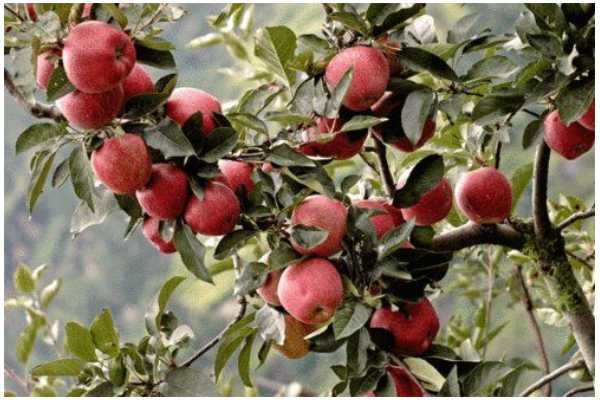
Apple cultivation was once limited to the cool climates of northern India and is now finding a surprising foothold in Andhra Pradesh. In the drought-prone district of Anantapur, a quiet agricultural shift is beginning to draw attention from both farmers and policymakers.
A local farmer, K V Ramana Reddy experimented with a new apple variety known as KLD. He planted saplings imported from Israel across his 2.5-acre field. Within a short period, the results turned heads. The crop not only survived but also produced good-quality apples that fetched strong market prices.
Unlike traditional apple regions such as Himachal Pradesh and Jammu and Kashmir, where trees take several years to yield fruit, the KLD variety starts producing from the second year. This shorter waiting period reduces risk for farmers and improves returns. Early results show that apples grown in Anantapur are selling between Rs 120 and Rs 170 per kilogram, which is higher than prices usually seen in northern markets.
The success has encouraged the Andhra Pradesh government to explore the potential of apple cultivation as a new horticulture activity. Around 15 acres across select mandals in Anantapur are already under this crop. Officials are now studying whether this model can be expanded in a controlled and sustainable manner.
One of the biggest advantages of this experiment is timing. Apples from northern states arrive in markets between September and November. The Anantapur crop follows a different cycle, which allows farmers to sell during a period of lower supply and higher prices.
However, challenges remain. Apple cultivation requires a steady water supply, which is a concern in a drought-prone region. Pest control, pollination, and lack of technical knowledge also pose risks. Experts stress the need for drip irrigation, proper pest management, and farmer training before scaling up.
The government is now considering pilot projects, demonstration farms, and technical support systems. Officials are cautious and want to study at least a few full crop cycles before encouraging large-scale adoption.
If managed carefully, apple cultivation could offer farmers in Rayalaseema a valuable alternative to traditional crops like groundnut.