























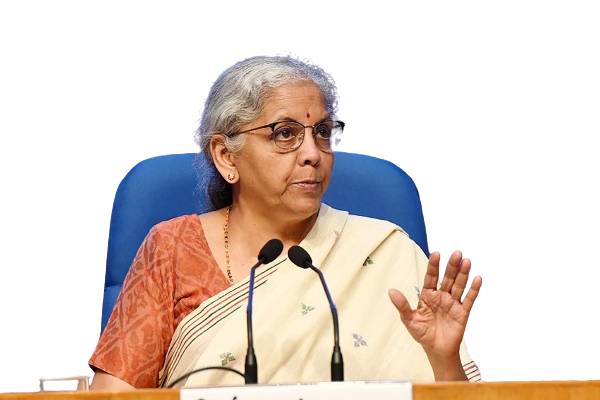
As the nation looks ahead to the Union Budget 2026, expectations are steadily building across households and businesses. The budget is expected to shape the economic direction beyond 2026 and influence multiple sectors of the economy. Union Finance Minister Nirmala Sitharaman is scheduled to present the budget on February 1, with Parliament already finalising the budget session calendar.
There is strong anticipation that the government will focus on sustaining domestic demand. Income tax relief and GST rationalisation are widely expected to be key priorities, following measures announced in the previous year. These steps are seen as crucial to easing pressure on households and supporting consumption driven growth.
A major point of discussion ahead of the budget is the structure of personal income tax slabs. Net direct tax collections crossed Rs 17 lakh crore by December 2025. At the same time, income tax return filings have touched 92 million. These figures have strengthened calls for a review of slab thresholds.
According to Bank Bazar CEO Adhil Shetty, the current framework risks increasing the burden on taxpayers due to bracket creep. Inflation gradually erodes real incomes while tax slabs remain unchanged. He noted that even though the cost inflation index has risen by nearly 21 percent since 2020, the 30 percent tax slab still begins at around Rs 15 lakh.
Urban salaried households are facing annual living cost increases of 7 to 8 percent. This has led to sustained pressure on disposable income. Shetty believes that indexing tax slabs to inflation could push the top threshold into the Rs 18 lakh to Rs 35 lakh range. He also suggested expanding intermediate slabs to ensure smoother progression. Proposals include a 5 percent rate for income between Rs 4 lakh and Rs 8 lakh, 10 percent for Rs 8 lakh to Rs 12 lakh, and 15 percent for Rs 12 lakh to Rs 16 lakh.
Data shows that nearly 77 percent of income tax collections come from just 2 percent of taxpayers. Any reform must therefore balance equity and efficiency. The objective should be to provide middle class relief without shrinking the tax base.
The potential impact on consumption could be significant. An annual increase of Rs 50,000 to Rs 1 lakh in disposable income can meaningfully boost spending on housing, automobiles, and consumer goods. Housing finance in particular remains a key growth lever. There is growing support for revisiting the affordable housing price cap, currently set at Rs 45 lakh, to better reflect urban market realities.
Additional expectations include extending ESOP tax parity for employment generating MSMEs. Inflation linked tax reforms, simpler savings incentives, and deeper digital enablement are also likely to feature in discussions.
Taken together, Budget 2026 is being viewed as more than a fiscal exercise. It is expected to strengthen household confidence, support consumption, and accelerate economic momentum in a challenging global environment.